

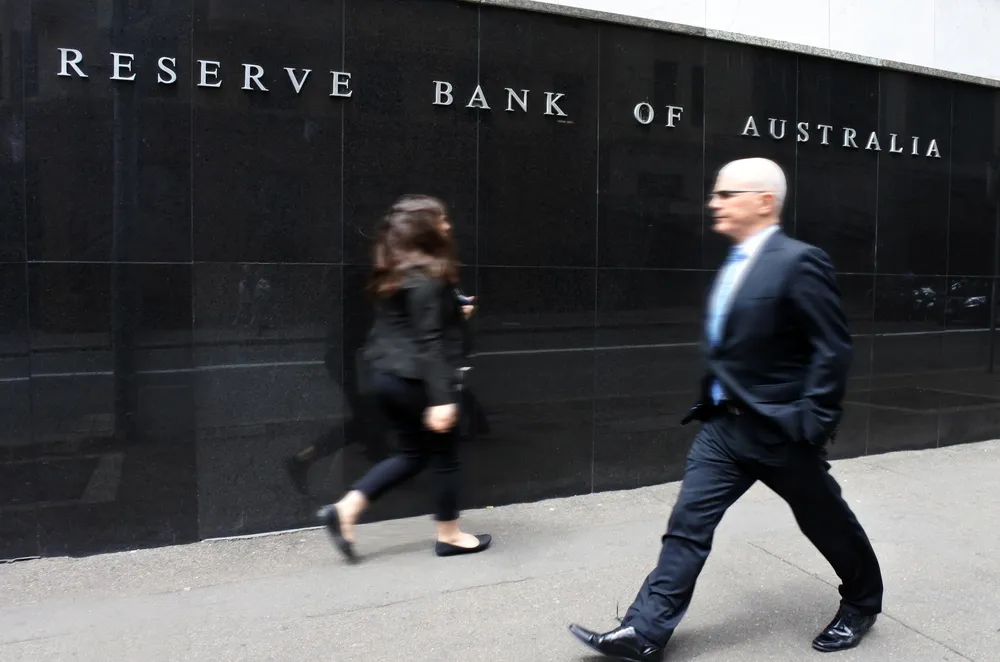
The Reserve Bank of Australia has increased the cash rate to 4.10% at the March meeting, signalling that inflation remains a key concern for the Board.
The decision comes amid growing uncertainty around the inflation outlook, with the RBA opting to take a more proactive approach as price pressures show signs of persistence.
In a significant development, the decision was not unanimous. Five Board members voted to increase rates, while four voted to hold, marking the first divided outcome since July 2025 and reinforcing the delicate balance of the current economic environment.
As always, we aim to provide a clear view of what the RBA is saying, the latest economic data and how the major banks are interpreting the outlook.
The Board acknowledged that while inflation has eased from its 2022 peak, it picked up materially in the second half of 2025.
Recent data suggests that stronger demand and ongoing capacity pressures are contributing to more persistent inflation than previously expected. The RBA also pointed to the conflict in the Middle East as a key external risk, with higher fuel prices already influencing inflation.
Labour market conditions remain tighter than anticipated, with unemployment slightly lower and underutilisation still at low levels. At the same time, business investment has been stronger than expected, signalling ongoing economic resilience despite softer household consumption.
Taken together, these factors led the Board to conclude that inflation is likely to remain above target for longer than previously forecast.
Inflation remains the central driver of this decision.
While headline inflation has moderated over time, recent months have shown renewed upward pressure, particularly driven by energy prices and stronger domestic demand.
Short-term inflation expectations have also lifted, reinforcing concerns that inflation could become more entrenched if not addressed.
The RBA’s decision reflects a need to stay ahead of these risks and ensure inflation returns to the target band within a reasonable timeframe.
The housing market across South East Queensland is not just holding strong, it is outperforming much of the country, driven by some of the highest population growth rates in Australia and sustained economic expansion.
With the region’s population forecast to grow by more than 45% to 6 million people by 2046, the need for close to 900,000 new homes is already translating into real demand, particularly across key growth corridors like Logan and Ipswich.
While higher interest rates may influence borrowing capacity at the margins, demand continues to be supported by rapid population growth, constrained land supply and a significant pipeline of infrastructure and employment investment. These are structural drivers.
As a result, any moderation in price growth is expected to be measured, with South East Queensland continuing to stand out as one of the most resilient housing markets in Australia.
The split nature of today’s decision highlights the uncertainty facing the Board, with future moves closely tied to inflation outcomes, labour market conditions and global developments.
The RBA has made it clear that it is prepared to act further if required, while remaining responsive to evolving economic conditions.
With global risks, particularly in the Middle East, continuing to unfold, the path forward remains uncertain, and policy settings will need to adapt accordingly.


%402x.svg)
