

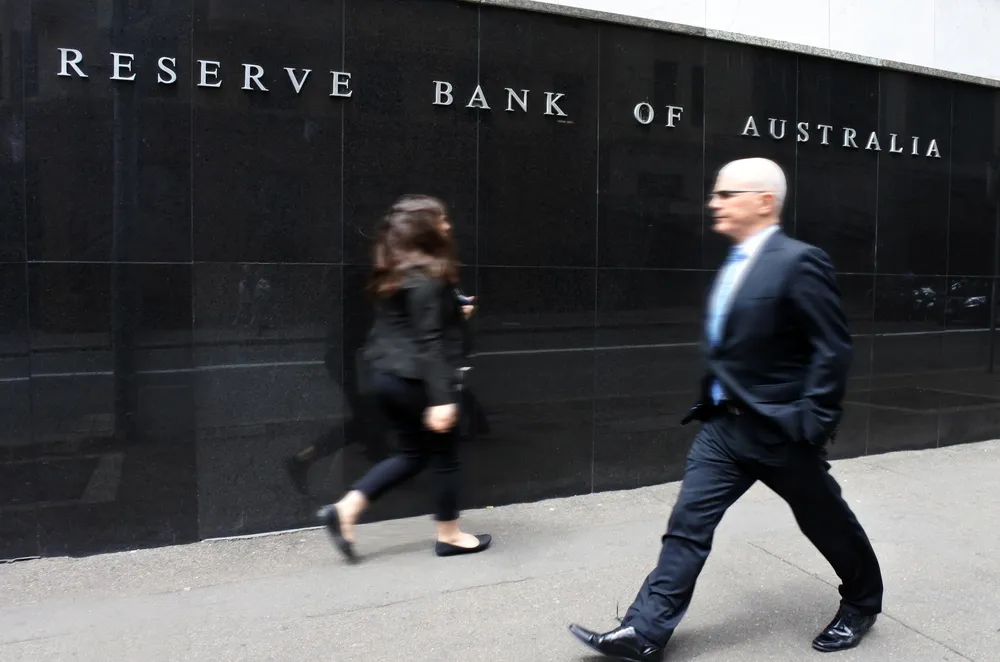
The Reserve Bank of Australia has increased the cash rate by 25 basis points to 4.35% at the May meeting, marking the third rate rise this year.
The decision reflects ongoing concern that inflation is proving more persistent than anticipated, with recent data showing renewed upward pressure driven by both domestic demand and global factors.
The Board noted that developments in the Middle East are contributing to higher inflation, particularly through increased fuel and related commodity prices, and may result in inflation remaining above target for longer than previously expected.
It also highlighted that capacity pressures within the economy remain, contributing to ongoing inflationary pressure.
The Board stated that it will continue to monitor developments in domestic demand, inflation and the labour market as it assesses the outlook.
The Board noted that inflation increased in the second half of 2025, partly reflecting capacity pressures in the economy.
Short-term inflation expectations have also increased, with the Board highlighting a material risk that inflation may remain above target for longer than previously anticipated.
The housing market across South East Queensland continues to outperform much of the country, supported by sustained population growth and economic expansion across the region.
South East Queensland’s population is forecast to grow from over 4.1 million to 6 million people by 2046, requiring close to 900,000 new homes to meet demand. This level of growth is already being realised, with key regions such as Logan and Ipswich recording some of the strongest population increases in the state.
Logan’s population is projected to grow by over 270,000 residents to 667,000 by 2046, while Ipswich is forecast to more than double to over 530,000 residents, reinforcing their role as major growth corridors.
At the same time, land supply across key markets is becoming increasingly constrained. On the Gold Coast, greenfield land is expected to be largely exhausted by 2046, while parts of Moreton Bay are also forecast to reach supply limits as population growth accelerates.
While higher interest rates may influence borrowing capacity at the margins, these underlying factors continue to support housing demand across the region.
Tuesday’s decision reinforces that the RBA remains focused on bringing inflation under control, with future movements dependent on how inflation tracks over the coming months.
While it remains unclear whether additional increases will be required, the Board has indicated it is prepared to act again if inflation does not ease as expected.
For buyers, this means interest rates have increased, with any further changes to be guided by incoming data and the RBA’s ongoing assessment of the economic outlook. At the same time, across South East Queensland, population growth and limited land supply continue to support housing demand, particularly in key growth corridors such as Logan and Ipswich.
While lending conditions have tightened compared to recent years, the underlying fundamentals of the market remain strong, providing confidence in the long-term outlook.


%402x.svg)
