

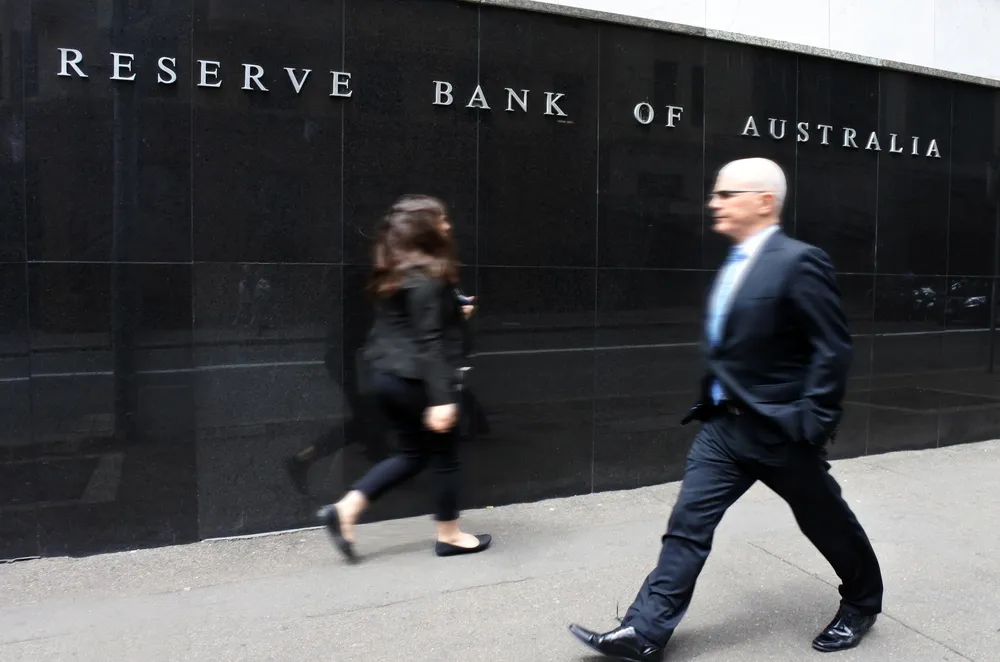
The Reserve Bank of Australia has left the cash rate unchanged at 4.35 per cent following its June Monetary Policy Board meeting.
The decision follows three cash rate increases earlier this year and comes as the RBA continues to monitor inflation, global economic conditions and the impact of ongoing disruption to oil supply resulting from conflict in the Middle East.
While inflation remains above target and economic uncertainty persists, the latest decision provides some stability for households, investors and the property market as the Board assesses the impact of previous rate rises.
The RBA acknowledged that inflation remains higher than desired, driven by a combination of domestic capacity pressures and elevated energy costs.
While oil prices have eased in recent weeks, they remain above pre-conflict levels, with higher fuel and energy costs continuing to flow through to the broader economy.
At the same time, the RBA noted signs that higher interest rates are beginning to have the intended effect. Consumer spending is slowing, housing market momentum has softened in some locations and financial conditions have become tighter following the increases earlier this year.
With these factors already working through the economy, the Board elected to pause and assess how conditions evolve over the coming months.
For property buyers and investors, the decision provides a degree of certainty in an environment that has experienced significant change over the past six months.
While borrowing costs remain elevated, the absence of an additional rate increase removes further immediate pressure on lending capacity and borrowing costs.
Importantly, the RBA has made it clear that inflation remains its primary focus and that further rate increases remain possible if required.
As a result, market participants are likely to remain focused on inflation data, employment figures and global economic developments in the months ahead.
Despite broader economic uncertainty, the underlying fundamentals supporting South East Queensland remain compelling.
The region continues to experience strong population growth, significant infrastructure investment and ongoing housing demand, all of which continue to place pressure on housing supply.
Brisbane's population is forecast to grow by more than 400,000 residents by 2046, while many growth corridors continue to experience low vacancy rates and strong rental demand.
At the same time, the delivery of new housing remains constrained by ongoing challenges across land supply, infrastructure delivery and construction costs.
This imbalance between supply and demand continues to support both rental markets and long-term housing demand across the region.
While inflation and global economic conditions remain key considerations for the RBA, the decision to leave rates unchanged provides a period of stability while the impact of previous increases continues to flow through the economy.
For South East Queensland, the long-term drivers of population growth, housing demand and infrastructure investment remain firmly in place.
As the market continues to evolve, understanding local fundamentals and focusing on well-located housing opportunities will remain critical for investors, referral partners and buyers alike.


%402x.svg)
